
Japan Solar Update: No.180 (Dec 22 ~ 26, 2025)
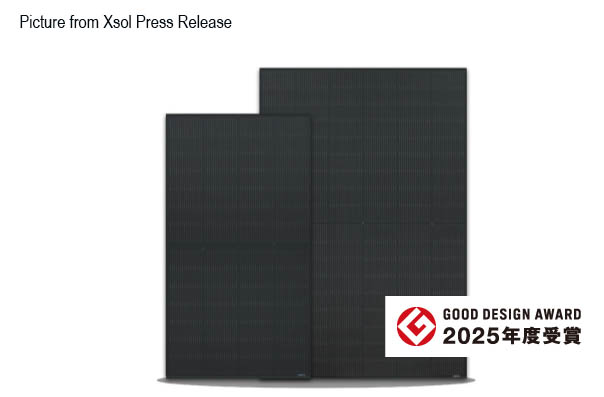
In cities and residential neighborhoods, glare from conventional solar panels has long been one of the biggest barriers to installation. Standard PV modules use smooth glass surfaces that reflect sunlight like a mirror. This reflected light can shine into neighboring homes, across roads, or into public walkways—causing visual discomfort, complaints, and even safety concerns.
A new generation of low-reflection PV modules, such as the model developed by XSOL, is changing this landscape. These modules use advanced anti-glare (AG) surface treatment that reduces reflected light by about 90% compared with typical solar panels. Instead of producing a harsh beam of reflected light, the glass diffuses sunlight softly, making the module far more suitable for urban rooftops and design-sensitive environments. This dramatic reduction in glare has been highly valued, especially in dense areas where minimizing visual impact is essential. Beyond improved comfort, low-reflection modules expand installation possibilities. They can be used on north-facing rooftops, in residential areas where buildings are closely spaced, on commercial properties with aesthetic or architectural guidelines, and on public facilities where glare control is prioritized. The full-black, low-gloss exterior also helps the modules blend naturally with modern building facades.
Performance remains a major advantage. Many low-reflection module series incorporate high-efficiency N-type monocrystalline half-cut cells, offering excellent generation in low-light conditions, strong resistance to high temperatures, and slower long-term degradation. Combined with anti-glare glass, the modules deliver reliable performance even in locations previously considered unsuitable for solar installation.
Maintenance has also been thoughtfully improved. A drainage structure built into the frame allows rainwater to flow more smoothly across the panel surface. This enhances natural cleaning and reduces the buildup of dust or pollen—issues that often affect ordinary modules, where water tends to accumulate near the frame and leave marks that require manual cleaning.
The module was highly praised for its significant reduction of glare impact on neighboring areas and its strong social value in promoting wider adoption in environments where installation was previously difficult, such as urban settings, and it was awarded the “2025 Good Design Award.”