
Japan Solar Update: No.188 (Feb 9 – 13, 2026)
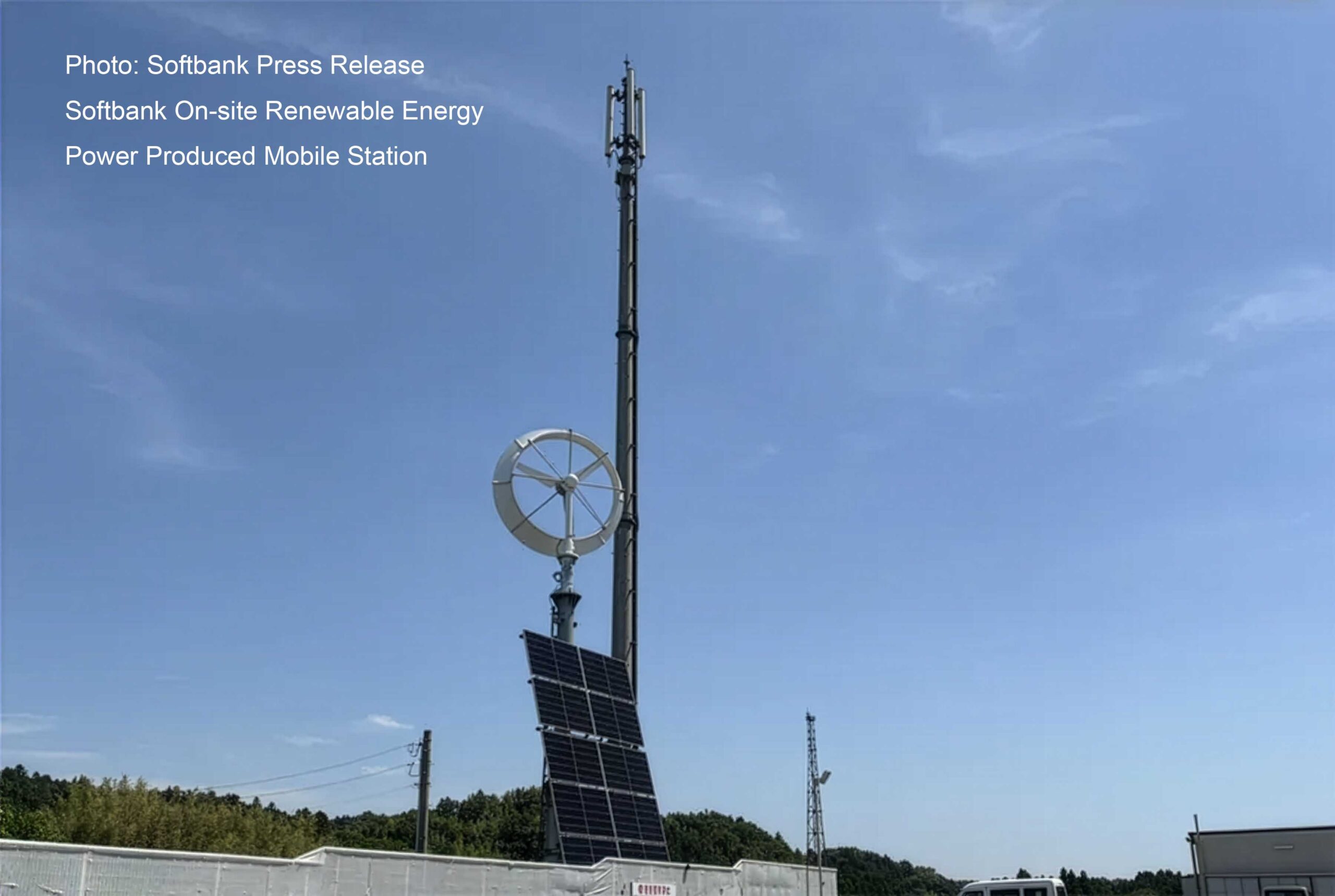
In a challenge toward carbon neutrality, SoftBank has launched a pilot project to integrate solar power generation into its telecommunications infrastructure, significantly advancing the adoption of renewable energy in the technology sector.
In January 2026, SoftBank began a demonstration project in Ichihara City, Chiba Prefecture, to test self-powered mobile communication base stations that combine solar power generation with wind energy. The hybrid renewable system is designed to supply approximately one-third of the electricity required for base station operations through on-site renewable generation, significantly reducing CO₂ emissions compared with conventional grid electricity. The base stations integrate solar photovoltaic systems, small high-efficiency wind turbines, and advanced energy storage technologies to create a stable and resilient power supply capable of continuing operation even during grid outages.
By combining solar and wind energy, power generation becomes less dependent on weather conditions or time of day, addressing one of the key limitations of solar-only systems and enabling more stable, continuous renewable power. A defining feature of the project is the use of AI-driven energy management to maximize efficiency. The AI continuously monitors electricity generation from solar and wind sources, battery charge levels, and real-time communication traffic at each base station. Based on this data, the system automatically optimizes power consumption — for example, by placing certain equipment into low-power or sleep modes during periods of low network demand. This intelligent control allows the base stations to reduce energy use while maintaining reliable communication services. To ensure uninterrupted operation, the system automatically switches to commercial grid power when battery levels fall below a predefined threshold. Even if power is temporarily depleted, the base stations can automatically recharge and restart using solar and wind energy once generation resumes, without the need for manual intervention.
Through this initiative, SoftBank is demonstrating how solar power generation combined with AI-based control technologies can be directly integrated into critical communications infrastructure. The project not only supports decarbonization efforts but also enhances operational resilience, particularly in disaster-prone areas where stable communications are essential. As renewable technologies continue to evolve, initiatives like this point to a future in which mobile networks — and the digital services that depend on them — operate on clean, reliable, and locally generated energy, helping accelerate the transition to a low-carbon society.
As renewable technologies continue to evolve, initiatives like this signal a future where telecom networks — and the digital services that depend on them — run on clean, reliable, and locally generated energy.