
Japan Solar Update: No.191 (Mar 9 ~ 13, 2026)
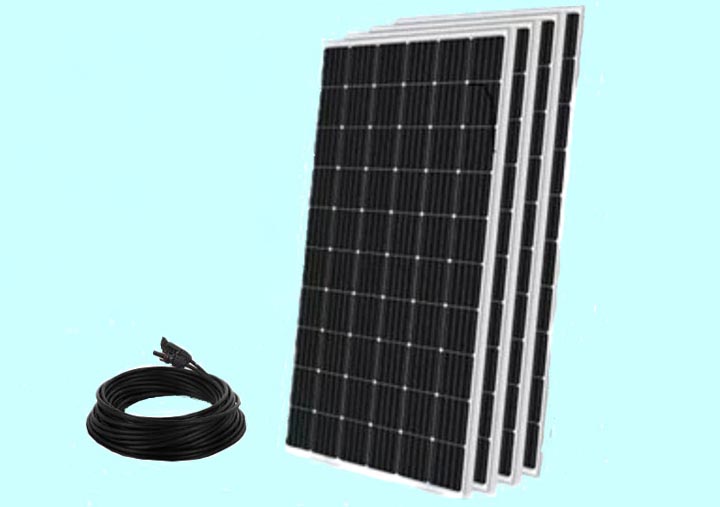
GBP K.K. has announced plans to establish its first manufacturing facility in Kita-Ibaraki City, Ibaraki Prefecture, marking a significant milestone in the company’s business expansion in Japan. The new factory will serve as a comprehensive production hub, strengthening domestic supply capabilities while supporting the growing demand for solar PV–related equipment and services.
At the new facility, GBP K.K. intends to manufacture its full product lineup. This will include PV modules compatible with older-generation systems, addressing the increasing need for replacement and retrofit solutions as early-stage solar installations age. In addition, the factory will produce transformers, DC junction boxes, collection boxes, and cables—key balance-of-system components essential for reliable and efficient PV system operation.
The ability to provide modules compatible with legacy systems is particularly noteworthy. As many solar power plants installed during the early years of Japan’s FIT scheme approach equipment replacement cycles, maintaining output performance while minimizing system redesign costs has become a pressing issue. By manufacturing compatible modules domestically, GBP K.K. aims to contribute to smoother repowering and refurbishment projects.
Beyond manufacturing, the company also plans to establish an integrated system for the collection, sorting, and recycling of end-of-life PV modules. With the expected increase in decommissioned solar panels in the coming years, proper recycling infrastructure is becoming a critical issue for the sustainability of the PV industry. By combining production and recycling functions, GBP K.K. seeks to promote a circular economy model within the solar sector and reduce environmental impact.
The establishment of the Kita-Ibaraki factory reflects not only the company’s growth strategy but also a broader shift in Japan’s PV market—from rapid installation expansion toward long-term asset management, repowering, and sustainability.