
Japan Solar Update: No.198 (Apr 27 ~ May 1, 2026)
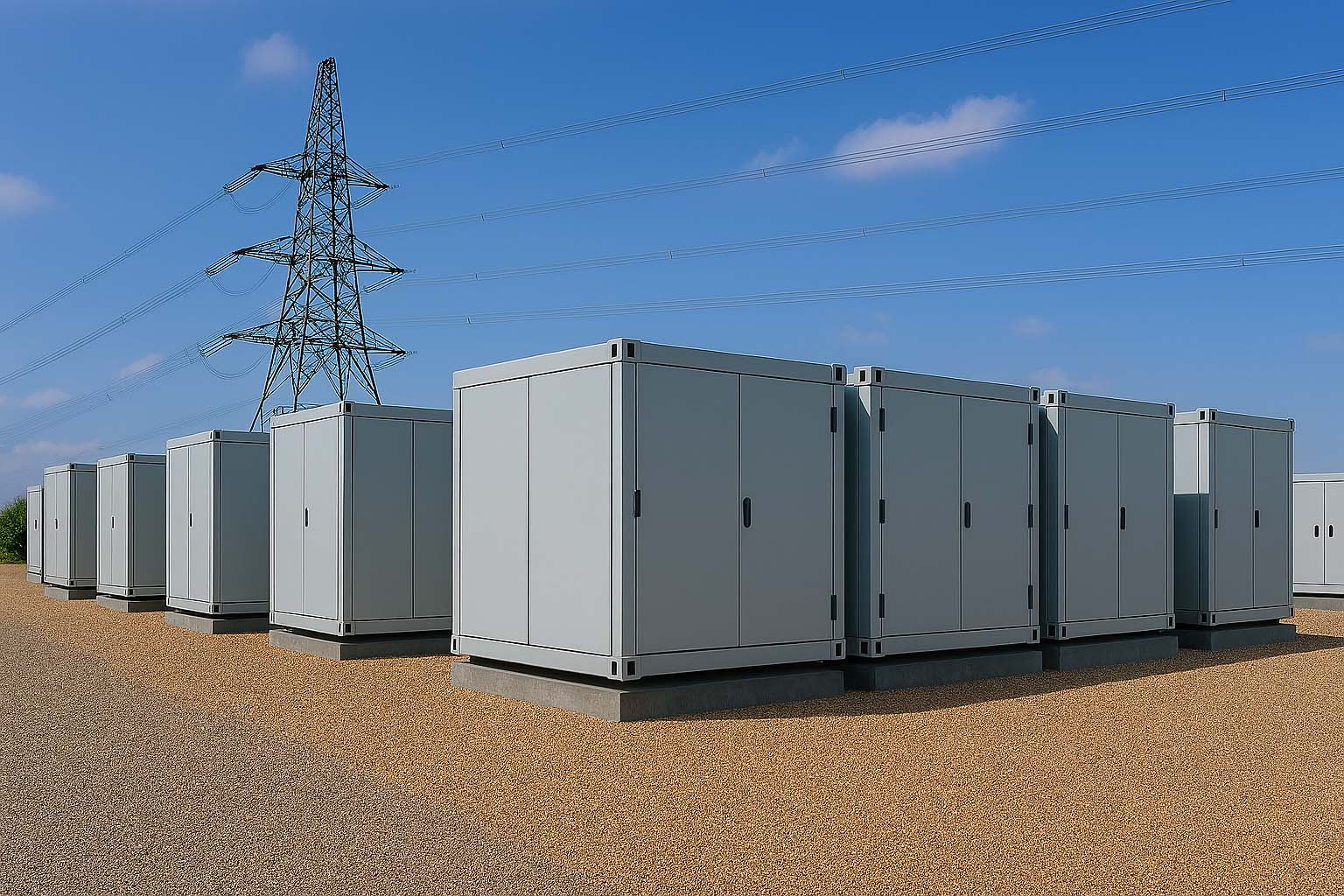
Japan will cap the number of grid connection studies per developer for battery storage to reduce application bottlenecks and speed up grid access. Applications have surged to ~172 GW, far exceeding contracted (30 GW) and operational capacity (640 MW). The cap will apply to unaccepted applications, with regulatory revisions to be implemented promptly.
- Regarding grid-scale storage batteries, upper limits on the number of connection assessments per single business operator will be introduced.
- The estimated upper limits by electricity service area are as follows: Hokkaido 5, Tohoku 6, Tokyo 11, Chubu 5, Kansai 10, etc.
- The relevant regulations will be revised as quickly as possible. For cases where an application for connection assessment has been submitted at the time of the revision but the connection assessment has not yet been accepted, the upper limits on the number of connection assessments per single business operator will be applied.
Regarding measures to facilitate rapid grid connection of grid-scale storage batteries and other power sources
-
- Applications for connection assessment: approx. 172 GW
- Applications for connection contracts: approx. 30 GW
- Grid connected: approx. 640 MW
Introducing upper limits on the number of connection assessments per single business operator
In particular, applications for connection assessment, mainly for grid-scale storage batteries, are on the rise, and it has become ordinary to provide responses just before the deadline. Furthermore, the situation of long processing times for accepting applications for connection assessment has continued.
- Regarding grid-scale storage batteries, for which connection assessments are rapidly increasing, upper limits per single business operator will be introduced
- Regarding other power sources, application of the upper limits may be considered based on the status of connection assessment hereafter
Sameness of the business operator will be judged based on the name, address and other information listed on the application form for connection assessment and report.
Those who request grid connection will be asked to reapply for connection assessment after the status of exceeding upper limits has been resolved.
Using the number of connection assessments per single business operator in each area over the previous fiscal year as a sample, the upper limit was set as the higher of the average value + 2σ or the lowest value of 5 cases, etc.
Estimates of upper limits by service area: Hokkaido 5, Tohoku 6, Tokyo 11, Chubu 5, Kansai 10, etc.
| Starting date of applying |
Revision of relevant regulations by the Organization for Cross-regional Coordination of Transmission Operators (OCCTO) to be implemented as quickly as possible. |
Figure 1. Summary of deliberations related to introducing upper limits on the number of connection assessments per single business operator
Source: Compiled by RTS Corporation based on materials from the 9th Next-Generation Power Grid Working Group (March 27, 2026)